
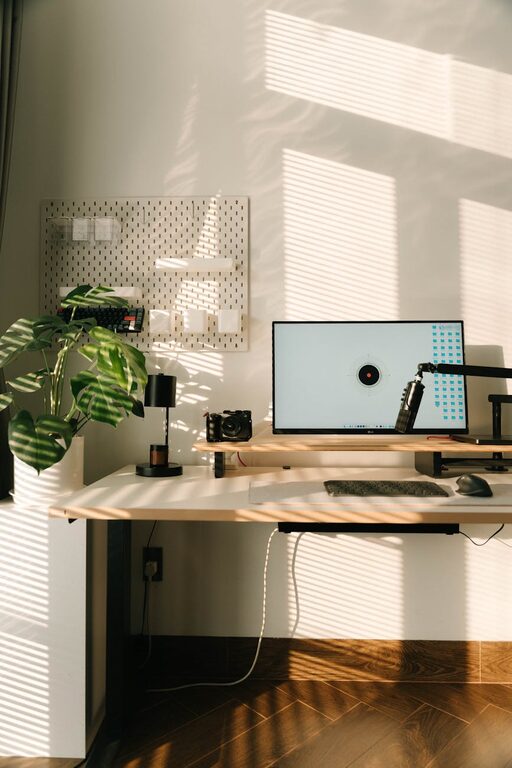
Creating a workspace at home that is both cozy and functional can greatly improve your productivity and overall well-being. Whether you work remotely full-time, occasionally bring tasks home, or simply want a designated area for personal projects, designing a space that supports focus and comfort is essential. In this post, we’ll explore practical tips to help you create an inviting, organized, and efficient home workspace.
Choose the Right Location
Consider Natural Light
One of the most important factors for any workspace is lighting. Whenever possible, set up your workspace near a window that provides ample natural light. Natural light can boost mood, reduce eye strain, and help regulate your body’s natural rhythms.
Minimize Distractions
Try to find a quiet area in your home where you won’t be disturbed by household noise or foot traffic. If space is limited, consider using room dividers or noise-cancelling headphones to create a sense of separation from other activities.
Select Comfortable and Supportive Furniture
Invest in a Good Chair
A quality chair that supports your back and encourages good posture is key to comfort during long working hours. Look for adjustable chairs that allow you to customize height, lumbar support, and armrests.
Choose an Appropriate Desk
Your desk should fit well in your space and accommodate your work needs. Whether you use a compact writing desk or a larger workstation, make sure there’s enough surface area for your computer, notes, and accessories without feeling cluttered.
Organize Your Space Efficiently
Keep Essentials Within Reach
Arrange frequently used supplies such as pens, notebooks, and chargers within arm’s reach to avoid constant interruptions. Use desk organizers, trays, or drawer dividers to keep items neat.
Use Vertical Storage
Maximize your workspace by adding shelves, pegboards, or wall-mounted organizers to store books, files, and decor without taking up valuable desk area.
Declutter Regularly
An uncluttered environment supports focus and reduces stress. Schedule weekly or monthly tidying sessions to clear unnecessary items and maintain an orderly space.
Personalize to Enhance Comfort and Motivation
Add Plants and Greenery
Indoor plants bring life to your workspace and improve air quality. Choose easy-to-care-for varieties like succulents or snake plants to add a touch of nature and color.
Incorporate Personal Touches
Photos, artwork, or inspirational quotes can make your workspace feel more inviting. Choose items that motivate you or bring positive memories without overwhelming the space.
Choose Soothing Colors
Colors can affect mood and concentration. Soft blues, greens, or neutrals tend to create calming atmospheres, while brighter hues like yellow or orange can add energy.
Optimize Technology and Connectivity
Arrange Cables Neatly
Use cable management tools such as clips, sleeves, or boxes to keep cords tidy and prevent tangling. This makes your space safer and more visually appealing.
Ensure Reliable Internet Access
A strong and stable internet connection is vital if your work involves video calls or large file transfers. Position your workspace near your router or consider using a wired connection for better speed.
Invest in Useful Accessories
Depending on your work, items like a second monitor, ergonomic keyboard, or quality headphones can increase comfort and efficiency.
Adjust Lighting and Temperature for Comfort
Use Adjustable Lighting
In addition to natural light, have a combination of overhead and task lighting to reduce eye strain. A desk lamp with adjustable brightness and color temperature is ideal.
Maintain a Comfortable Temperature
Ensure your workspace stays at a temperature that keeps you comfortable without causing drowsiness or discomfort. Small fans, heaters, or air purifiers can help regulate conditions.
Establish a Routine and Boundaries
Define Work Hours
Creating a schedule and sticking to designated work hours helps build routine and separates work life from personal time.
Signal When You’re Working
If you share your home with others, use visual cues like closing your office door or putting up a sign to indicate when you shouldn’t be disturbed.
Take Breaks and Move Around
Incorporate short breaks to stretch, hydrate, and rest your eyes. This practice helps maintain focus and prevents burnout.
—
By thoughtfully designing your home workspace with comfort, organization, and practicality in mind, you can create an environment that supports productivity and reduces stress. Small adjustments and intentional choices can go a long way toward making your working-from-home experience more enjoyable and effective.